
Jessica B.
"Amazing clinic, filled with lots of very useful information. I enjoyed attending and learned quite a lot about the sport. They're so patient with new people in this sport. Excited to attend more!"
Next Clinic May 30–31 | Just North of Columbia, Missouri
One Day or Two Day Options Available
If you’re ready to start the shooting horse discipline the right way, this school is designed for you. Shooting Horse Schools are NaSHA’s clinic format.
NaSHA’s 1-Gun Shooting Horse Schools are built around a simple goal: create confident, safe, willing shooting horses by focusing on correct horsemanship first. This is not a rushed “let’s just shoot patterns” weekend. It’s a structured foundation focused on gun-breaking, control, cadence, and confidence—the things that keep horses and riders safe and progressing long-term.
Every horse and rider comes in at a different place. We meet you where you are and work through the next right steps, with an emphasis on calm progression and practical take-home direction you can continue using after you leave. These are not ground-work heavy, the focus is on communication in the saddle, so in our schools we RIDE, so please come prepared. This clinic is conducted in accordance with NaSHA Safety and Horsemanship Standards.

"Amazing clinic, filled with lots of very useful information. I enjoyed attending and learned quite a lot about the sport. They're so patient with new people in this sport. Excited to attend more!"
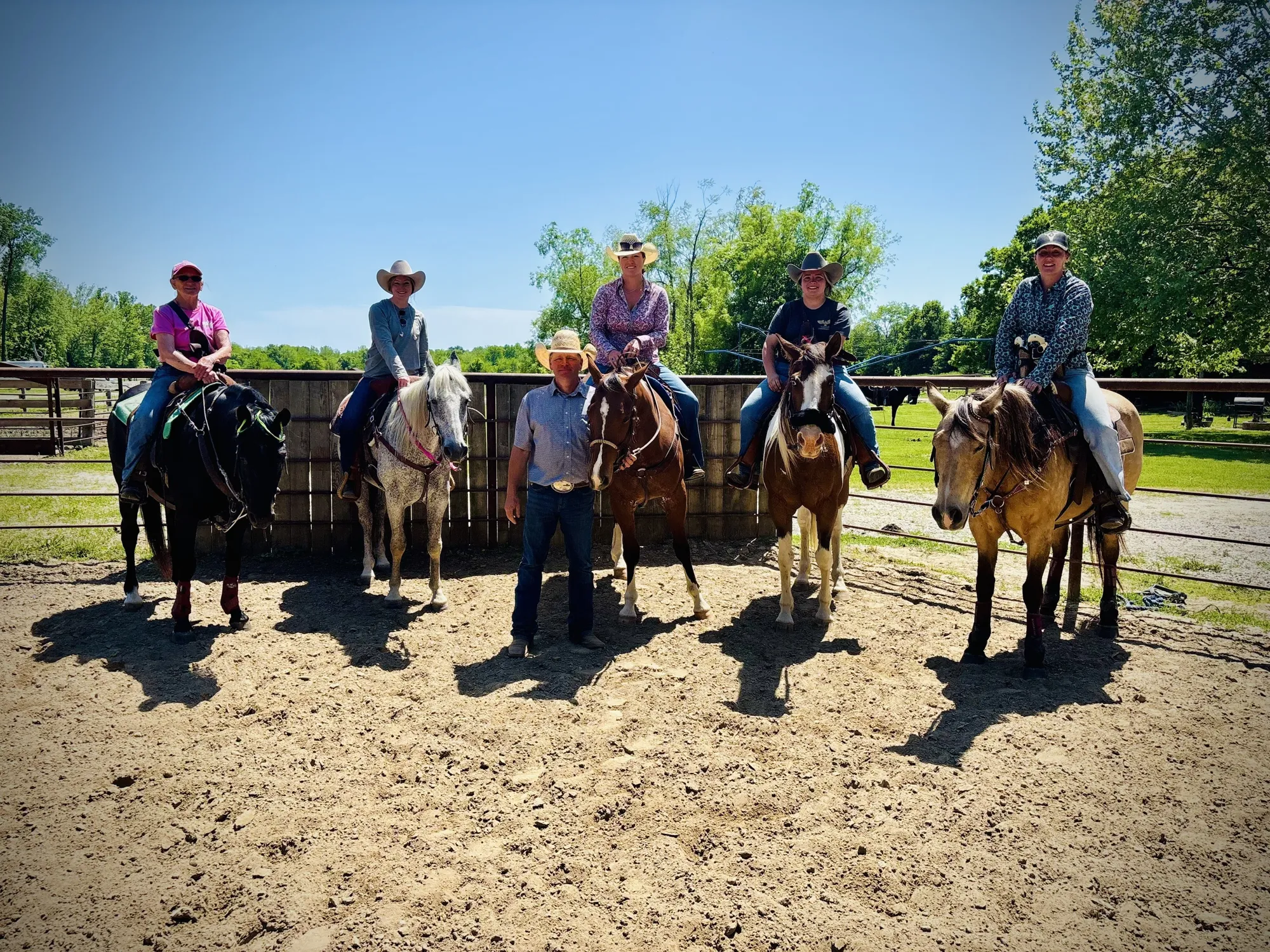
“MOCMSA/NaSHA clinics are the place to start for new shooters. The Smith family builds top tier mounted shooting horses and riders from the ground up. You’ll leave with skills, support, and true friends. I genuinely can’t recommend these clinics enough.”

“As a beginner and not confident with shooting, they made me feel welcomed with open arms. Everything was informative, friendly, and truthful. I learned so much and it’s helped me with my horses a lot. Highly recommend attending a clinic — even just to watch.”

"This is where my family got hooked. I learned so much in the class from horsemanship to gun breaking a horse to how to navigate a pattern, it was a great start for us. I really appreciated that gun safety was a big part of the class. Highly recommend!"
Whether you have a trainer at home or you’re doing this on your own, you will leave with direction you can use immediately. All clinics conducted in accordance with NaSHA Safety and Horsemanship Standards.
Here for the Horse.
National Shooting Horse Association® (NaSHA)